




Consistent oven temperature that lasts | Beko
Worried about consistent oven temperature? See how a durable oven supports quality cooking, plus simple checks to keep accuracy steady over time.
How do I know my Beko oven will stay accurate over time?
Sunday roast that browns evenly. Weeknight traybakes that finish on time. Baking days where the sponge rises as it should. A calm kitchen starts with a consistent oven temperature, because accuracy takes the guesswork out of quality cooking. Here is a clear Q&A to help you keep that confidence for years, plus how Beko designs ovens for lasting precision.
Why does oven accuracy drift, and how do I spot it?
Ovens work hard. Heat cycles, door openings, and spills build up over time. Minor shifts in airflow or a tired door seal lead to hot spots and longer preheats. Accuracy drift often shows up first in uneven browning, longer than usual cook times, or edges that crisp before the centre sets.
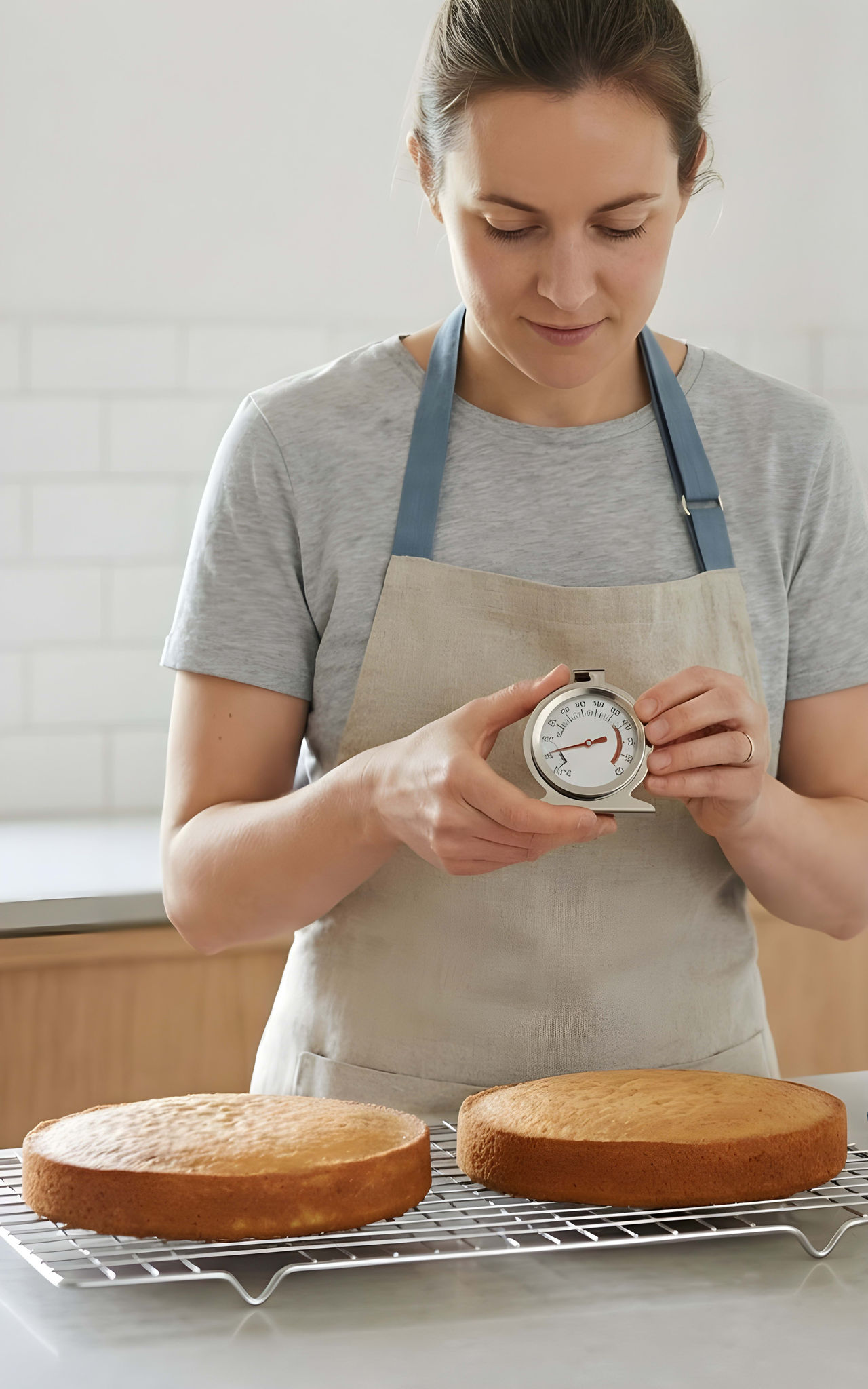
A simple check helps. Place an oven thermometer on the middle shelf, then preheat and track the reading for 15 to 20 minutes. If the temperature swings wildly, or sits more than 10 to 20°C away from the set point, your oven needs attention. Independent testers often recommend this quick method for home checks, for example Which? and BBC Good Food both outline it as a reliable habit for bakers.
How does Beko support a consistent oven temperature over the long term?
Beko designs for stability. Selected Beko ovens feature AeroPerfect technology, a fan and airflow system engineered to minimise temperature fluctuations for more even results across the whole cavity. That means less variance during the cycle, which supports reliable results week after week. Please refer to your model page on beko.co.uk for feature availability.
Behind the scenes, our products go through rigorous durability testing and forced failure assessments. That focus on reliability sits at the heart of a durable oven that holds steady through daily family life. Backed by Europe’s number one large home appliances company, our scale and engineering depth support long-term accuracy and efficiency.
What everyday habits help my oven stay accurate?
Small, repeatable steps protect calibration and airflow. Build these into your routine.
• Preheat fully, wait for the temperature light to cycle once more before loading.
• Use the middle shelf for most bakes, rotate trays halfway for large sheets.
• Leave space around dishes, avoid covering entire racks with foil.
• Keep the door closed during the first two thirds of the cook.
• Wipe the door seal and inner glass regularly, crumbs and grease interfere with a tight seal.
These habits reduce heat loss and keep the oven sensor reading true, which supports quality cooking.
Do fan settings help with evenness and accuracy?
Yes. Fan cooking promotes steady circulation, which reduces hot and cool pockets inside the cavity. That airflow supports faster, more even heat transfer to food, so results match recipes more closely. With Beko ovens that include AeroPerfect, the system is designed to stabilise heat flow further, which helps keep a consistent oven temperature across multiple racks.
For delicate bakes, use the fan setting recommended in your recipe. For roasts and sheet-pan meals, the fan setting often delivers a uniform finish without constant tray shuffling.
How often should I check accuracy, and how do I test it safely?
A quick check every few months keeps you in control, especially before festive baking or big Sunday roasts. Use an inexpensive oven thermometer and follow this method.
• Place the thermometer on the middle shelf.
• Set the oven to 180°C and preheat until the indicator turns off.
• Wait an extra 10 minutes, then note the temperature.
• Take readings at 5 minute intervals for 15 minutes, and average them.
• Repeat at 200°C if you bake bread or roast frequently.
If the average sits within about 10 to 15°C of the set point, you are in good shape. If you see a larger gap, log the offset in your recipe book, for example, set 190°C to achieve 180°C inside. If the difference exceeds 25 to 30°C, or swings are large, book a service with an authorised Beko engineer to restore accuracy and safety.
Source suggestions for techniques and ranges: Which?, Oven temperature tests and tips. BBC Good Food, How to use your oven more effectively.
What maintenance keeps a durable oven steady for years?
Clean airflow and a sound seal make a big difference. Focus on the parts that influence temperature sensing and heat retention.
• Door seal, check for cracks, flattening, or gaps. Replace if worn.
• Cavity and fan area, keep grease build-up low. Follow your model’s cleaning guidance on beko.co.uk.
• Shelves and trays, avoid warped cookware that sits unevenly and blocks airflow.
• Sensor area, keep splatter away from the rear wall where the thermostat sensor usually sits.
Regular care helps the thermostat read conditions accurately, which supports stable results over time.
Does cookware choice affect temperature stability and quality cooking?
Yes. Dark, sturdy metal trays absorb heat quickly and promote crisp edges. Glass and ceramic hold heat, which smooths temperature dips during door openings, but they require slightly longer cook times. Thin, warped trays lead to uneven bottoms and poor contact.
Quick tips for steadier results: - Use heavy-gauge metal for sheets and roasting trays. - Preheat stone or steel for pizza and bread to stabilise base heat. - Avoid oversized foil that covers racks and restricts airflow.
When should I call Beko support?
Reach out if you notice any of the following. - A measured offset greater than 25 to 30°C across multiple tests. - Severe unevenness, one side burns while the other side stays pale. - Elements that fail to heat, or frequent tripping of the breaker. - Error codes on digital displays, or preheats that take unusually long.
Professional diagnosis preserves performance and protects warranty coverage. For model-specific guidance, features such as AeroPerfect, and service booking, visit beko.co.uk or contact Beko Customer Support.
A steady oven removes stress from mealtimes. With reliable engineering, simple habits, and timely care, Beko helps you serve quality cooking with confidence every day.