

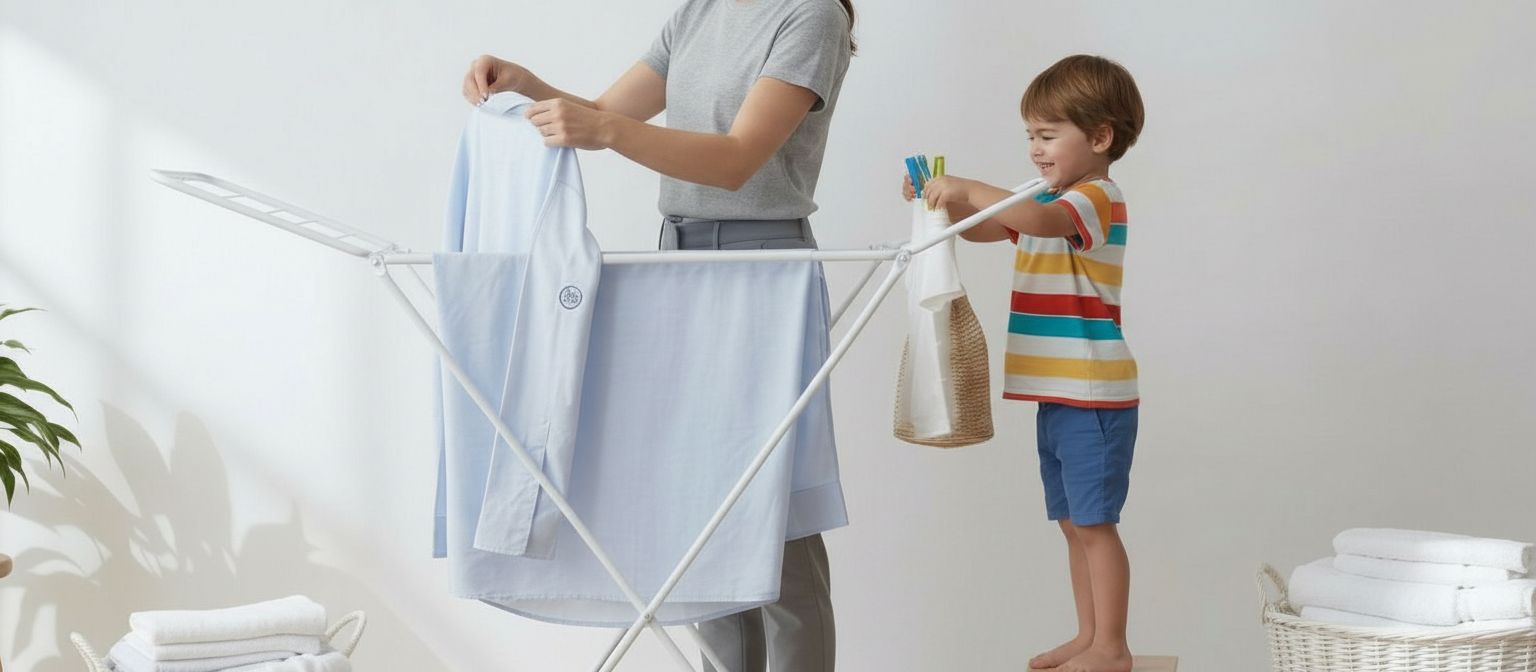
Practical efficiency tips for smart appliance use. See how EnergySpin and smart habits support energy management and lower bills with Beko.
A calmer home, lower bills Busy weeks run smoother when home routines work without fuss. Breakfast plates cleared, school kit washed, dinner sorted. Hidden in all those moments sits an opportunity to save energy without losing comfort. With the right habits and features, Beko helps you keep costs in check, day after day.
Q&A: Energy management, efficiency tips, and smart appliance use
Q1. What quick efficiency tips reduce bills without changing your routine?
Small shifts add up. Focus on full loads, lower temperatures, and eco settings. Heating water uses the most energy in washing, so cooler cycles help. The Energy Saving Trust recommends 30°C for everyday laundry and full loads for dishwashers and washing machines.
Try this mini checklist: - Laundry, aim for 30°C for everyday items and use a high final spin to shorten drying time. - Dishwasher, scrape plates, skip pre-rinse, run eco programmes, and wait for a full load. - Fridge-freezer, set 3 to 5°C for the fridge and -18°C for the freezer, keep door seals clean. - Cooking, match pan size to hob, put lids on, batch cook and portion for the week.
These steps lower energy use with no compromise on hygiene or comfort. They also lighten the mental load, since routines stay the same and savings happen in the background.
Q2. How does EnergySpin support smarter energy management in laundry?
EnergySpin is designed to reduce energy demand where it counts. By optimising drum movements to improve detergent action, it delivers up to 35 percent less energy consumption during a wash cycle, while maintaining cleaning performance. Less reliance on heating the water, more effective mechanical action.
Make the most of it: - Select a programme with EnergySpin when washing everyday mixed loads. - Pair with 30°C for most items, as recommended by the Energy Saving Trust. - Load to the line, not over or under, for steady drum movement and fabric care. - Choose a higher spin at the end to shorten tumble drying, or switch to air drying.
The result is cleaner clothes with less energy, a win for your budget and your weekly schedule.
Q3. What smart habits help dishwashers save both water and energy?
Dishwashers work best when they do the heavy lifting and you avoid double work at the sink. Scrape food, do not pre-rinse. Eco programmes run longer at lower temperatures, which uses less energy overall, a tip supported by the Energy Saving Trust.
Beko features that support this: - SaveWater technology, saves up to 7.8 litres per cycle, a direct water saving that supports overall energy management. - PowerIntense zones, deliver up to 5 times better cleaning performance per zone, so tough items get the right treatment without a second cycle.
For daily use: - Stack for good spray coverage, bowls and pans facing the centre. - Run full loads on eco, schedule overnight if your tariff suits off-peak hours. - Open the door at the end for natural air drying.
This approach cuts water and energy use while preserving spotless results for family meals.
Q4. Which laundry settings make the biggest difference on energy use?
Three areas matter most, temperature, spin speed, and load size. Lower temperatures suit most everyday fabrics and reduce energy use because the appliance heats less water. A higher final spin removes more moisture, which shortens time in the tumble dryer, the most energy-hungry step in many homes.
Practical steps: - Everyday loads at 30°C, sportswear and baby items follow label guidance. - Select a high final spin that your fabrics tolerate. - Group towels and heavy cottons together to avoid extended drying. - Use time delay to align with off-peak tariffs if your energy plan offers them.
Paired with EnergySpin, these settings bring down costs with no drop in daily laundry standards.
Q5. How do you set up the kitchen for efficient appliance use?
Start with good airflow and correct temperatures. Keep 5 to 10 cm of space behind fridges and freezers for ventilation. Set the fridge to 3 to 5°C and the freezer to -18°C. Avoid warm dishes in the fridge, let them cool first, which prevents the compressor running longer.
Cooking habits that help: - Batch cook in one oven session, then store safely in the fridge or freezer. - Use the smallest hob ring that fits the pan and keep lids on. - Preheat only as long as the recipe needs, avoid opening the oven door during cooking.
Dishwashing ties in here too. Full loads on eco programmes handle the daily plates with less energy than repeated short cycles. Dry with the door ajar at the end to reduce heat use.
Q6. How does long-term reliability translate into long-term savings?
Reliability prevents waste. Fewer breakdowns means fewer repairs and replacements, which protects your budget and the planet. Beko’s leadership in durability testing and 25-year lifetime motors with warranty reflect a focus on appliances that keep performing year after year.
What that means for you: - Stable performance, which locks in your energy savings over time. - Less stress around big-ticket replacements. - Confidence to run eco programmes and lower-temperature washes regularly.
Confidence in durability supports a consistent energy management plan for the whole home.
Q7. How do you track progress without extra hassle?
Keep it simple. Note the programmes you use most and set a household standard, for example laundry at 30°C with EnergySpin and eco on the dishwasher. Check your energy bill after a month of consistent settings to see the impact. A smart plug monitor for a single appliance gives a quick view of typical use, no need for a complex setup.
Quick tracking routine: - Pick two habits to standardise this month, for example 30°C laundry and eco dishwashing. - Set the same options every time for four weeks. - Compare bills or smart meter trends at the end of the month. - Adjust one setting at a time so you know what changed.
Consistency beats complexity. A few steady choices often deliver the biggest savings.
Smarter routines and the right features bring peace of mind, and Beko stands with you through every wash, rinse and spin.