

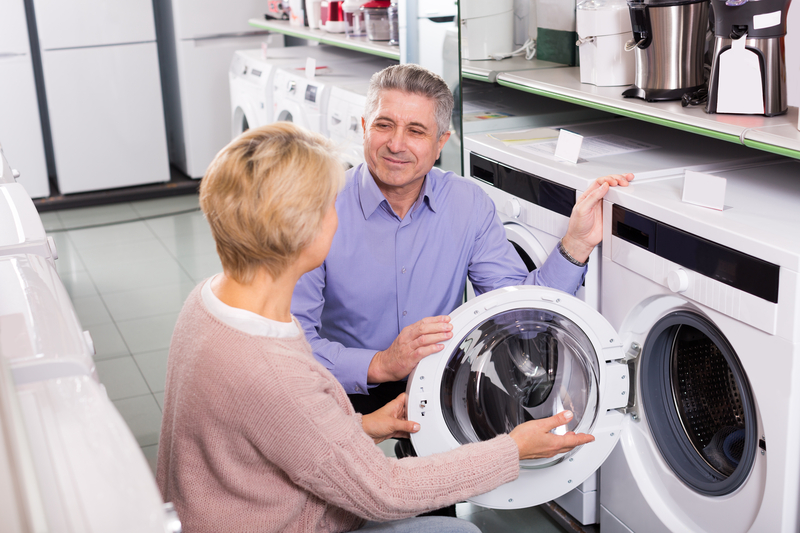
Finding the right laundry appliance for your home depends on understanding how much weight your family actually produces every week. A drum that is too small for your needs leads to extra work and higher electricity bills from constant small loads. Picking a size that matches your lifestyle keeps your
clothes cleaner and extends the life of your machine.
Key Points:
Assess your household size to find the right kilogram rating.
Consider the types of fabrics and bulky items you wash often.
Look for efficiency features that save water and electricity.
Avoid overloading to prevent mechanical damage.
How to calculate washing machine capacity?
You can calculate the capacity you need by allowing about 1.5 kilograms of dry laundry for every person in your home. This ensures there is enough space in the drum for clothes to tumble and get clean.
Load capacity in laundry appliances represents the maximum weight of dry fabric a drum can handle during a single cycle. This metric is used by manufacturers to guide users toward the most efficient use of water and electricity. Inside the drum, sensors or physical space constraints dictate how much laundry can effectively tumble through the soapy water. Using the correct load weight prevents mechanical strain and ensures a consistent level of hygiene for all fabrics.
Proper load sizing also matters for detergent performance, an important point verified by the American Cleaning Institute. Beko offers a variety of load capacities to ensure that every home finds a balance between performance and energy use.
Is a bigger washing machine better?
A larger machine is only better if you regularly wash large loads or bulky items like bedding. Running a large drum with a small load wastes resources unless the machine has auto-sensing features.
If you have a large family, doing one big load instead of three small ones saves a lot of time. This is especially helpful in South Africa when we may have to plan our chores around the load shedding schedule. However, if you live alone, a 10kg machine will likely sit half empty most of the week. Washing just a few items in a large drum can actually cause the machine to become unbalanced during the spin cycle. This imbalance puts heavy strain on the internal suspension and leads to early mechanical wear.
Why avoid a small washing machine?
A machine that is too small for your needs forces you to run more frequent cycles, which increases wear and tear. Cramming a small drum too tightly stops water and soap from moving freely through the fabric. This often leaves your laundry with unwashed spots and trapped residue.
When you pack too many clothes into a small space, the detergent cannot circulate. You might find white powdery streaks on your dark clothes because the soap had nowhere to go. This often means you have to wash the same pile twice, which doubles your water and power usage. It is better to have a slightly larger drum that you fill to 80% than a small drum you have to pack tightly.
What is the best family capacity?
Most families of four find that an 8kg or 9kg machine provides the perfect balance for daily wear and weekly bedding. This size handles roughly 40 to 45 shirts per load.
| Household Size | Typical Weekly Loads | Recommended Capacity |
1 to 2 People | 2 to 3 Loads | 6kg to 7kg |
3 to 4 People | 4 to 6 Loads | 8kg to 9kg |
5 or More People | 6 or More Loads | 10kg to 12kg |
Can you wash duvets at home?
You can wash most queen- or king-sized duvets at home if your washing machine has a capacity of 9 kg or higher. A smaller machine will not have the physical volume to let a bulky duvet move around.
Winter in South Africa means heavy blankets and thick hoodies. These items take up a lot of physical space, even if they do not weigh very much. If you try to force a thick duvet into a 7kg machine, it will just spin in a dry clump. The water will never reach the middle of the blanket. For households that prefer to wash their own bedding rather than going to a laundromat, a larger machine is a smart investment.
How does drum size affect drying?
A larger drum allows more air to circulate around the clothes, which helps them come out less wrinkled and easier to iron. This is true for both standalone washing machines and integrated washer-dryer units.
Motor technology in laundry appliances provides the power needed to tumble heavy loads during high-speed spinning. These brushless systems are used to manage the physical weight of a full drum without creating excessive heat or friction. By using magnets instead of physical contact points, the engine extracts water more effectively while using less electricity. This results in a quieter cycle and laundry that dries faster on the line. Beko incorporates ProSmart Inverter technology to help larger-capacity machines perform reliably for your family.
Is your laundry room big enough?
The physical size of a washing machine usually increases with capacity, although most standard machines are designed to fit into a 60cm-wide gap. You should always measure your floor space and the width of your doorways before buying a new unit.
Sometimes a 12kg machine is much deeper than a 7kg model. If your laundry area is in a narrow passage or under a kitchen counter, those extra centimetres matter. Check that you have enough room to fully open the machine door without hitting a wall or cupboard. A front-loader needs a clear path so you can easily pull out heavy, damp laundry.
Is drum hygiene necessary?
Regular drum maintenance removes bacteria and soap residue that builds up during cold water cycles. This prevents unpleasant smells and keeps the internal sensors working correctly.
Drum hygiene refers to the process of removing bacteria and detergent residue from the internal parts of a laundry machine. This maintenance step is necessary because cold water washes and damp environments can lead to mould growth or unpleasant smells. High-temperature cycles or dedicated cleaning programmes work to sterilise the drum and the outer tub. Keeping the machine clean ensures that clothes smell fresh and the internal sensors remain accurate.
Does capacity impact energy ratings?
Modern machines are very efficient, but a larger-capacity machine will naturally use more water per full load than a smaller one. You should look for machines that offer a half-load or auto-sensing feature to keep costs down.
Energy efficiency standards for household appliances are set to reduce the overall environmental impact of daily chores. These guidelines evaluate how much electricity and water a machine consumes relative to its load capacity.
Using high-efficiency appliances can lower household utility costs by thirty per cent. By optimising the motor performance and water heating cycles, manufacturers help consumers reduce their carbon footprint.
Will a larger machine save water?
A larger machine can save water if you use it to wash one big load instead of two smaller ones. However, the most water-efficient choice is a machine that adjusts its water usage based on the weight of the laundry inside.
The drought conditions often experienced in parts of South Africa make water conservation a priority for every household. Using a machine that can detect a small load and use only the necessary amount of water is a practical way to help.
How does spin speed relate to size?
Higher spin speeds are often found on larger capacity machines to help extract more water from heavy loads like towels or jeans. This reduces the time your clothes need to spend on the line or in a tumble dryer.
If you live in a humid area like Durban, getting as much water out of the clothes as possible during the spin cycle is helpful. It prevents that damp smell that happens when clothes take too long to dry on a rainy day. A machine with a 1400 RPM spin speed will leave clothes much drier than a standard 1000 RPM model. This is another benefit of choosing a slightly larger, more advanced machine for a busy household.
FAQ: Picking the right size
Q: Can I wash a 5kg load in a 10kg machine?
A: Yes, you can wash smaller loads in a larger machine, but it is most efficient when the machine has weight-sensing technology. This prevents the machine from using a full 10kg worth of water for a small pile of clothes.
Q: How many towels fit in a 7kg machine?
A: A 7kg machine can usually hold about five to seven bath towels at once. Avoid adding more than this, as towels become very heavy when wet and can strain the motor.
Q: Is 8kg enough for a family of four?
A: An 8kg machine is the standard choice for a family of four and handles daily laundry very well. It is usually sufficient for everyone's clothes plus the weekly bed sheets.
Q: Does a bigger machine take longer to wash?
A: Not necessarily, as many modern machines have Fast or Daily Express settings that clean a full load in under 30 minutes. The time depends more on the programme you choose than the size of the drum.
Q: What is the best size for a single person?
A: A 6kg or 7kg machine is usually perfect for someone living alone. It provides enough space for a week of clothes and a set of bed linens without taking up too much space.
Selecting the right laundry appliance depends on balancing your daily habits with the physical space in your home. Understanding kilogram ratings and drum volumes ensures that your clothes stay fresh and your utility bills remain manageable.
The right fit makes home management simpler and more predictable for everyone in the house. Beko provides a range of laundry solutions designed to meet the diverse needs of modern households.