

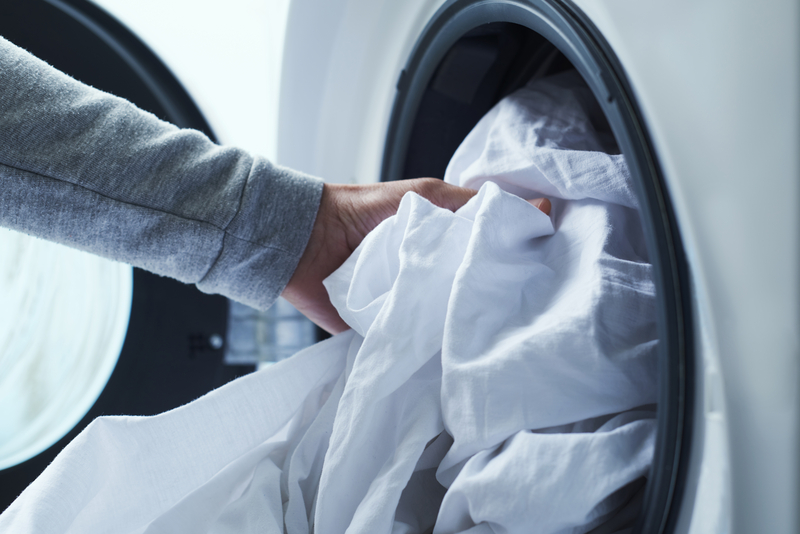
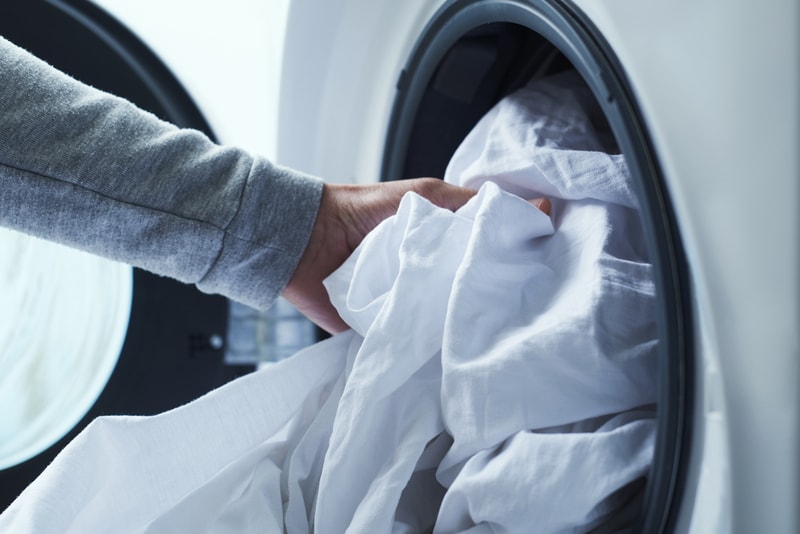
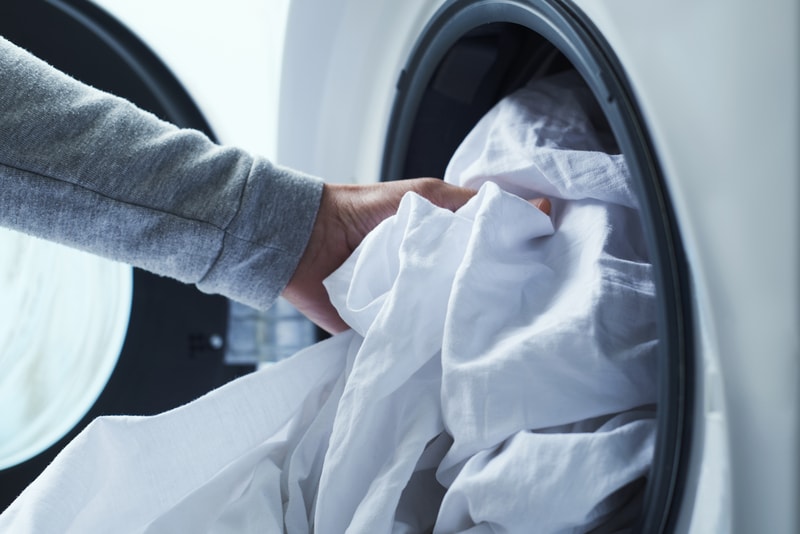
Your favourite shirts fade faster than they should. Your jeans lose their shape after a few washes. And don't get us started on what happens to delicates in a standard machine. If you've ever wondered whether how you wash matters as much as what you wash, you're onto something important.
Front-load washing machines approach fabric care differently, using proven engineering to reduce stress on fibres, preserve colour, and extend the life of your wardrobe. Here's what you need to know.
Key Takeaways:
Front-loaders use gentler tumble action compared to top-load agitators, reducing fibre damage and wear
Lower spin speeds preserve fabric elasticity while still removing moisture effectively
Water and detergent efficiency means less chemical exposure to delicate fabrics
Long-term durability of your clothes translates to real savings and less landfill waste
Why Do Front Loaders Handle Fabric Differently?
Front-load washing machines work on a fundamentally different principle than traditional top loaders. Rather than an agitator (a central post that twists and pulls), front loaders tumble clothes gently against the drum's surface. This mimics the action of hand washing – rolling, lifting, and dropping – rather than aggressive friction.
The mechanical design matters because fabric damage happens at the fibre level. Every time clothing is yanked, twisted, or caught against a hard surface, microscopic threads break or fray. Front loaders significantly reduce this contact stress.
How Spin Efficiency Protects Your Clothes
Spin cycles aren't just about drying faster. They determine how much stress is placed on wet, weakened fibres. Wet fabric is more vulnerable. Water temporarily softens the protein bonds in natural fibres like cotton and wool.
Front loaders typically spin at 800–1200 RPM (revolutions per minute), which efficiently removes water without excessive force. The drum's curved design distributes this pressure evenly across the load. Top loaders, by contrast, often rely on lower spin speeds because of their design, meaning clothes stay wetter longer and require more heat to dry fully.
Here's the practical result: your clothes emerge less tangled, with fibres still intact. Elasticity in elastic bands, waistbands, and cuffs stays intact longer.
Are Front Loaders More Gentle Than Top Loaders?
The short answer is yes, measurably so. Top load agitators create a shearing force; pulling clothes against the central post repeatedly. This is efficient for heavily soiled items, but can be harsh for everyday wear. Front loaders' tumbling motion is more uniform, treating each item in the load similarly rather than focusing wear on whichever garment gets caught on the agitator post.
For delicate fabrics (silk, linen, fine knits) and everyday clothes you want to last years, not months, this difference compounds. One season in a front loader versus a top loader can mean the difference between colours staying true and fading noticeably.
The Role of Water and Detergent in Fabric Care
Water quality and detergent concentration affect how fibres absorb and release chemicals. Front-load machines use less water (typically 40–50% less than top-loaders), which means detergent concentration is higher in smaller volumes.
This efficiency is a double-edged benefit. Less water contact reduces overall chemical exposure to your fabrics, which helps preserve dyes and fibre structure. However, it also requires precise detergent dosing. Front-loaders are sensitive to excess suds and buildup, so using the right amount of the right detergent matters more.
Modern front-loaders include sensors that detect fabric load and adjust water levels automatically, meaning your delicate summer dresses get a gentler wash than a full load of heavy work clothes.
Preserving Colour and Preventing Fading
Colour fading happens through two mechanisms: mechanical friction and chemical degradation. Front-loaders address both.
The tumble action reduces the friction that causes pilling and colour loss from rubbing. Simultaneously, lower water usage and optimised detergent distribution mean dyes remain locked in fibres rather than bleeding into the wash water. Over 50 washes, this difference is subtle. Over 200 washes, it's obvious.
Dark colours stay darker. Bright colours stay brighter. This matters especially in South Africa's intense sunlight; you're already fighting UV fading when clothes are on the line, so preserving colour at the wash stage compounds the benefit.
What About Wear and Tear Over Time?
Washing machine choice accumulates impact. A single wash cycle does minimal visible damage. But across 300–400 washes (the typical lifespan before visible wear), the difference between gentle and aggressive action becomes dramatic.
Elasticated items (underwear, socks, leggings) last noticeably longer in front-loaders because elastic degrades when repeatedly stressed. Cotton fibres don't fray as quickly. Seams hold better because the entire garment isn't under constant tension.
From a household economics standpoint, this matters. If your front loader extends the useful life of your wardrobe by 30–40%, you're buying fewer replacements annually. Less consumption also means less impact on landfills, where fast-fashion items currently spend centuries breaking down.
How Load Size and Fabric Type Interact
Front-loaders perform best when you match load size to fabric type, and most modern machines make this simple. Smaller, lighter loads of delicates run on dedicated cycles that use even gentler tumbling and lower spin speeds.
A load of school uniforms (everyday durability required) runs on a standard cycle with proper tumbling and spin. Heavy-duty items like towels or work clothes benefit from extended cycles that get them genuinely clean without worrying as much about wear.
Top loaders, by their nature, treat every wash similarly. The agitator does its work regardless of whether you're washing silk or canvas.
Fabric Care: Front Loader vs. Top Loader Comparison
Factor |
Front Loader |
Top Loader |
Fabric Contact Style |
Gentle tumbling motion |
Aggressive agitator twisting |
Spin Speed Range | 800–1200 RPM (varied) | 600–800 RPM (typically lower) |
Water Usage | 40L–60L per cycle | 80L–150L per cycle |
Colour Preservation | Excellent (less friction) | Good (higher water dilution) |
Elasticity Retention | Superior (lower stress) | Moderate (repeated tension) |
Pilling & Fibre Damage | Minimised | More common |
Best For | Everyday wear, delicates, longevity | Heavy soils, quick drying preference |
Why Your Clothes Last Longer in Front Loaders
The mathematics are straightforward. Fabric has a finite number of stress cycles before the fibres break permanently. Every wash cycle applies stress through agitation, spinning, and chemical contact. Front-loaders apply less cumulative stress per cycle through three mechanisms:
Mechanical gentleness via tumble action instead of agitation
Optimised spin efficiency that removes water without excessive force
Precise water and detergent dosing that reduces chemical degradation
Over a garment's lifetime, these small reductions compound. A shirt might fade noticeably after 150 washes in a top loader, but retain colour vibrancy beyond 250 washes in a front loader. That's not brand loyalty—it's physics.
Water and Energy Efficiency as Part of Fabric Care
Efficiency protects fabrics indirectly. Front-loaders use less water and energy per wash, which means less hot water exposure to delicate fibres. Heating and cooling cycles create stress on elastic fibres and can set stains permanently if done incorrectly.
Water-efficient washing also means you can wash smaller loads without guilt, which itself reduces strain on individual items. You're not forcing a gentle silk dress into a load that was designed for capacity rather than care.
This efficiency also supports South Africa's water security. With load shedding and water restrictions becoming routine realities, a washing machine that uses half the water matters practically, not just theoretically.
Frequently Asked Questions
Q: Do front-loaders actually prevent colour fading?
A: Front-loaders reduce fading through lower friction and controlled chemical exposure, but UV light and frequency of washing still matter. A front loader won't prevent fading entirely, but it slows the process noticeably compared to a top loader washing the same items the same number of times.
Q: Is water temperature the same in front and top loaders?
A: Front-loaders typically offer more precise temperature control and can heat water faster. Some top loaders struggle to maintain consistent temperatures, which affects both cleaning and fabric stress. Uneven heating can cause fibres to expand and contract unevenly, promoting wear.
Q: Do I need to use a special detergent in a front loader?
A: Yes, typically less detergent and specifically formulated low-suds detergent. Excess suds reduce efficiency and require extra rinses, which increases wear and water use. This isn't a limitation; it's part of the design's efficiency.
Q: Can front-loaders handle heavily soiled workwear?
A: Absolutely. Select a heavy-duty or work-wear cycle, which extends tumble time and uses hotter water. The gentleness comes from how tumbling occurs, not whether intensive cleaning happens. Heavy soils require proper chemistry and time, not force.
Q: Why do front-loaders cost more upfront?
A: Engineering for precision—sensors, variable tumble speeds, robust drum construction, and efficiency systems—costs more initially. But over 10–15 years of use, the lower water and energy bills, plus fewer clothing replacements, often offset the higher purchase price.
The Bottom Line: Front Loaders and Your Wardrobe
Front-load washing machines are genuinely better for clothes. Not through marketing, but through engineering. Tumble action replaces aggressive agitation. Spin efficiency removes water without excessive stress. Precise water and detergent dosing reduces chemical degradation. These aren't subtle differences; they compound across years.
If your wardrobe matters to you—whether because you invest in quality pieces or because you want fewer replacements—a front loader protects that investment. The clothes you care about will look better for longer.
This is especially relevant in South Africa, where families want durability and value. Load shedding means air-drying is standard; gentler washing means garments survive that routine, too. It all connects: a washing machine that treats fabric with care becomes part of how you build a wardrobe that lasts.