




Built for the long run, tested for real life
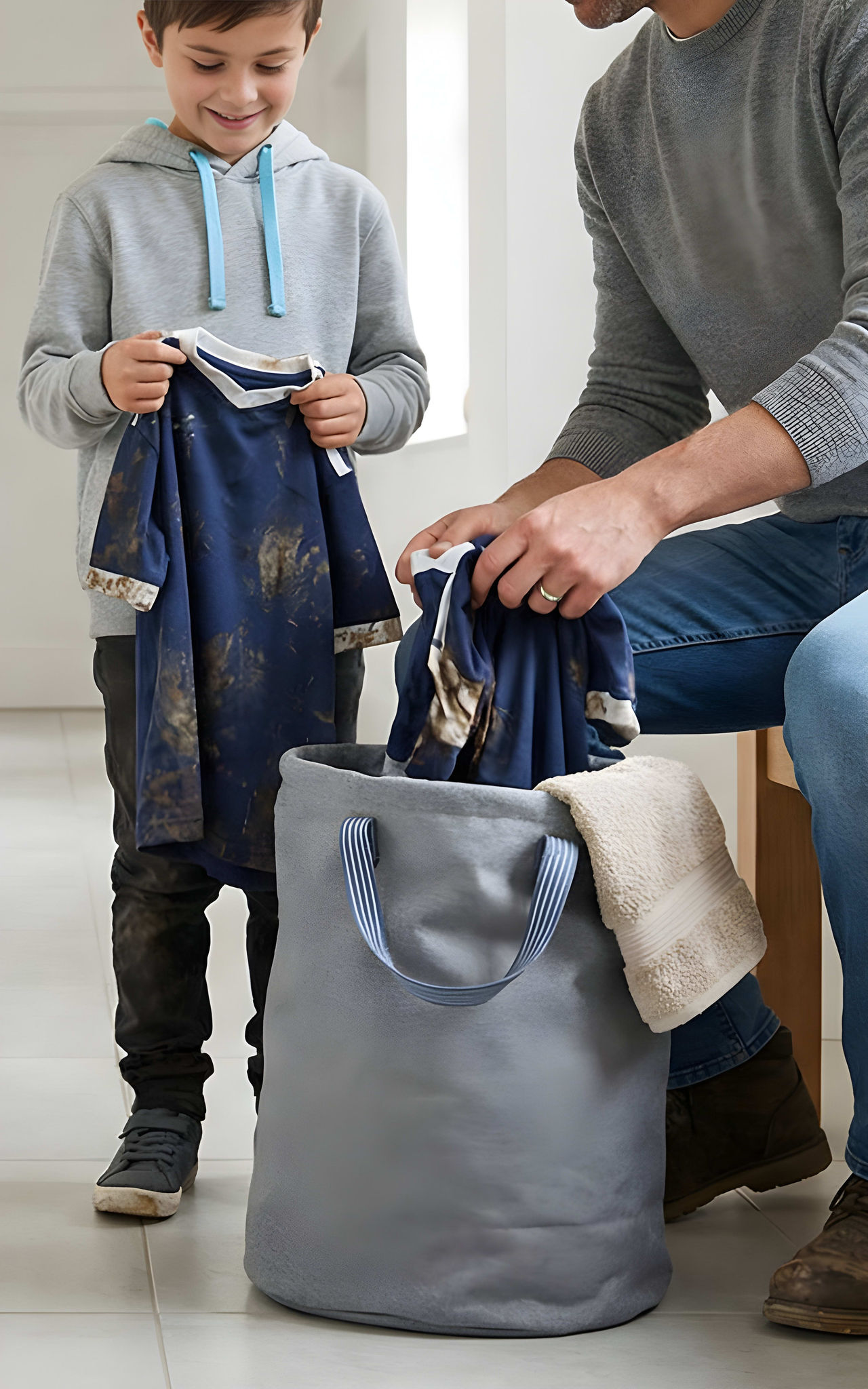
A fridge that keeps its cool through heatwaves. A dishwasher that handles daily plates and weekend feasts. A washing machine that takes school kits, muddy boots, and bedding in its stride. Reliability at home reduces stress and saves money, so Beko puts durability first. From Europe’s number one large home appliances company, the approach is simple. Prove performance in the lab, validate it under pressure, then keep improving. That is the Beko state of mind, confidence through evidence.
Why does long term durability matter for everyday homes?
Durability means fewer repairs, less waste, and steady performance year after year. It protects your budget and routine, because laundry day and dinner time do not wait. Longer lifespans also reduce environmental impact over time. Beko invests in long-run validation, backed by industry-leading durability test results, ranked number one among competition, so you get dependable value without paying over the odds.
What durability tests does Beko run before an appliance reaches your kitchen?
Beko puts appliances through rigorous durability tests that mirror real life and then go further. Doors open and close thousands of times to prove hinges and seals. Controls are pressed and turned repeatedly to check switches and interfaces. Temperature, humidity, vibration, and voltage swings stress internal parts, so performance stays steady through seasons and busy weeks. Water contact points face scale and detergent exposure, because daily use brings both.
What are forced failure tests, and how do they prove reliability?
Forced failure tests push components to the limit on purpose. Engineers run parts in extreme conditions until something gives, then redesign weak points and repeat. It is a disciplined loop, failure teaches, design improves, reliability grows. The outcome is confidence, not guesswork.
What this means for you: - Fewer surprises, parts are validated beyond normal use. - Stronger wear points, like hinges, pumps, and seals. - Consistent performance under pressure, heavy loads or frequent cycles.
How does Beko handle quality verification from parts to final product?
Quality verification starts before assembly and continues at the end of the line. Incoming parts are sampled and checked for dimensions and material consistency. During assembly, torque, alignment, and sealing steps are verified to standards. Every finished unit runs through functional checks, safety controls, and water or temperature tests as appropriate. Only then does it leave the factory.
A simple view of the process: - Supplier checks, confirm parts meet spec. - In-line controls, verify key build steps. - End-of-line tests, confirm performance and safety. - Random audits, add an extra layer of assurance.
How do warranties and lifetime motors relate to testing?
Strong testing supports strong guarantees. Beko offers 25-year lifetime motors with warranty on selected models, a clear sign of trust in the engineering. That confidence comes from life-cycle testing of drive systems across thousands of hours and start-stop events. Motors are the heart of laundry, so validating smooth, efficient, long-run operation reduces noise, wear, and energy use over time.
Do energy and water-saving features affect durability over the years?
Efficiency features are designed and validated alongside reliability checks. EnergySpin reduces energy consumption by up to 35 percent, SaveWater saves up to 7.8 litres per cycle, and PowerIntense delivers up to 5 times better cleaning performance per zone. Those claims sit on controlled lab testing, then products face stress tests so performance holds steady with daily use. The goal is simple, use fewer resources and still deliver strong results year after year.
How does Beko test for family wear and tear, not just lab conditions?
Testing reflects how homes run appliances. Doors get knocked, trays slide in and out, baskets and drawers carry weight, and controls see frequent use. Beko runs cycle counts that exceed typical household patterns, so hinges, rails, and interfaces handle repetition. Spills, splashes, and changes in room temperature are part of scenario testing. The result is an appliance ready for school mornings, late suppers, and laundry resets on Sundays.
What standards and benchmarks guide testing at Beko?
Beko measures performance against international safety and performance standards, then layers on internal benchmarks that raise the bar. Compliance protects families. Internal targets protect long-term value. That combination gives a robust picture of product strength before launch.
How does Beko keep improving once products reach homes?
Quality work continues after launch. Service data, customer feedback, and field reports feed into engineering reviews. If patterns appear, parts get updated, suppliers adjust processes, and next production runs improve. This loop keeps reliability moving in the right direction and strengthens the range over time.
What maintenance helps you keep that tested reliability at home?
Good care supports the engineering that went into your appliance. A few simple habits go a long way.
• Keep appliances level, vibration drops and parts last longer.
• Load to guidance, avoid overfilling or blocking sprays and vents.
• Clean filters and seals on the schedule in your manual.
• Use the right detergent and settings for your water hardness.
• Run recommended maintenance cycles where provided.
How does leadership and scale improve testing quality?
Scale brings better labs, more data, and tighter control. As Europe’s number one large home appliances company, Beko tests across multiple environments and supply chains. That breadth builds strong evidence for what lasts in different homes and climates. The benefit to you is steady performance, backed by a deep, proven process rather than trial and error.
How do these testing practices translate into daily value?
Fewer breakdowns mean fewer repair bills and less hassle. Efficient features reduce running costs every month. Durable parts stand up to daily routines, so your fridge stays cold, your dishes come out clean, and your laundry days run on time. This is reliability designed to serve family life, today and years from now.
Quiet confidence is built in, so home feels easier with Beko.