



A calmer home, lower energy bills Mornings feel lighter when the dishwasher hums away and the laundry basket shrinks. Eco mode promises energy saving without stress, yet routines differ from home to home. This Q&A gives clear answers so you pick the right setting for efficient performance, strong results, and less strain on the budget.
What is eco mode, and how does it deliver energy saving?
Eco mode runs at lower temperatures and uses less water. The trade-off is longer cycle time, which improves soak and heat distribution. Since water heating draws most of the energy in washing and dishwashing, lower heat with longer action often wins on total consumption. The result is efficient performance, steady cleaning, and less waste. Source: Energy Saving Trust, “Energy efficient washing machines and tumble dryers” and “Dishwashers” (energysavingtrust.org.uk).
Is eco mode always the best choice for laundry?
Eco suits everyday loads with light to medium soil. Mixed fabrics wash well at 30 degrees with time to lift dirt. For sportswear after training or muddy school kit, a hygiene or intensive cycle fits better. Urgent single items also suit quick programmes, since speed matters more than lowest kWh that day. For week-to-week savings, run full loads on eco, then reserve specialist cycles for special cases.
Practical washing tips for better eco results: - Sort by fabric and soil level, keep heavy soil separate. - Wash at 30 degrees where care labels allow. - Dose detergent for water hardness and load size. - Choose a higher spin speed to cut tumble-drying time.
When does eco mode give the best dishwasher efficiency?
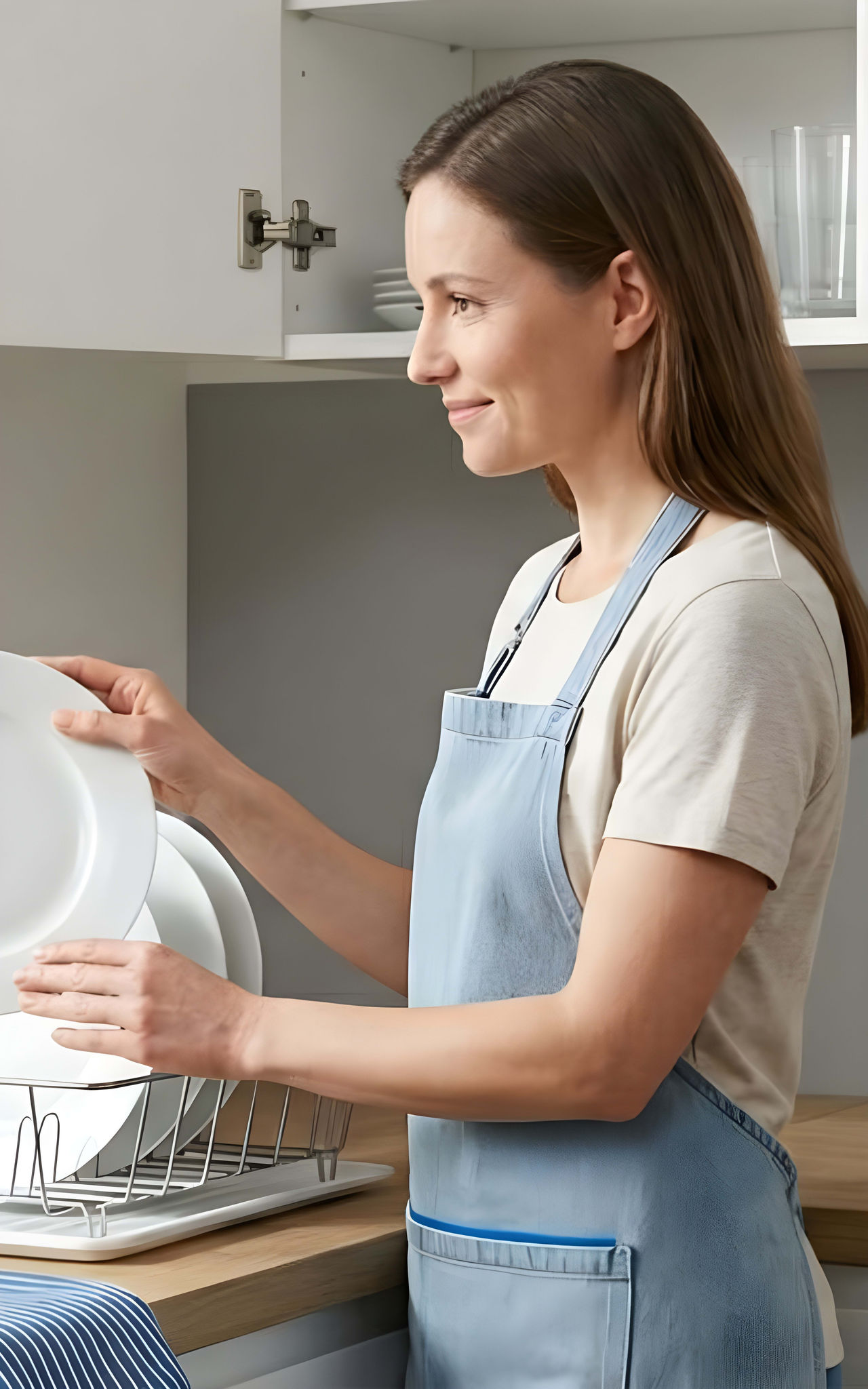
Eco mode shines with full racks and regular dinnerware. Plates, glasses, and everyday pans clean well with longer wash and rinse phases that reduce water and heat demand. Skip pre-rinsing under the tap, the dishwasher does that work with less water overall. For burnt-on trays, use an intensive zone or pot programme on that day, then return to eco for routine loads. This rhythm supports dishwasher efficiency without fuss.
Easy loading tweaks that lift results: - Angle plates toward spray arms, avoid nesting bowls. - Face the dirtiest side inward, leave space for water flow. - Use the top rack for glasses, bottom for heavier items.
Will eco mode lower energy bills more than quick programmes?
In most homes, yes. Quick cycles finish fast, yet they often use higher temperatures and stronger agitation, which raises energy draw per minute. Eco stretches the time and lowers the heat, so total energy tends to drop. Over a month of full loads, that pattern supports lower energy bills without extra effort. If the tariff offers cheaper overnight rates, schedule eco during off-peak hours for added savings.
Does eco mode compromise cleaning or hygiene?
For typical daily loads, no. Modern detergents work well at lower temperatures over longer cycles, which supports stain removal without high heat. For allergy needs, baby items, or illness in the home, a hygiene cycle at higher temperature remains the right choice. Reserve that for those moments, then switch back to eco for the regular routine. That balance protects fabrics, results, and energy saving across the week.
How do Beko features support efficient performance beyond eco?
Beko designs focus on reliable savings without drama. EnergySpin helps reduce energy use by up to 35 percent through smarter wash action, so loads finish with less heat and strong results. In dishwashers, SaveWater technology saves up to 7.8 litres per cycle, while PowerIntense delivers up to 5 times better cleaning performance in targeted zones for stubborn pans. Motors are built for the long run, with a lifetime of up to 25 years and warranty support, which means fewer replacements and more confidence. This approach delivers efficient performance and steady value over time.
When should I skip eco mode?
Skip eco when speed or special care is essential. Examples include: - One or two urgent items before school or work. - Heavy soil, like baked-on trays or muddy kit. - Allergy or hygiene needs that require higher heat. - Tariffs where an ultra-short off-peak window suits a faster cycle.
Outside those moments, eco keeps energy saving on track for most loads and days.
What washing tips help lower energy bills without losing results?
A few small habits add up across the month. - Run full loads for both washer and dishwasher, half loads waste water and heat. - Wash laundry at the lowest temperature that still matches the soil level. - Pre-treat tough stains, let the eco cycle finish the job. - Keep filters clean and spray arms clear for steady dishwasher efficiency. - Air-dry when possible, or spin laundry well to shorten tumble-drying.
Source: Energy Saving Trust, guidance on efficient appliance use and laundry temperatures (energysavingtrust.org.uk).
How does reliability affect long-term savings?
An efficient cycle matters, but so does an appliance that performs the same on day 1 and year 10. Beko appliances go through tough testing for durability, then receive features that save water and energy throughout their life. A reliable motor and well-sealed tub keep performance steady, which supports lower energy bills season after season. Reliable appliances also reduce repair visits and early replacement, which protects household budgets.
The bottom line on eco mode and everyday life
Eco mode suits most daily loads and full racks, where lower heat and longer action deliver energy saving and dependable results. Use specialist or quick cycles for those moments that need them, then return to eco for the weekly rhythm. With thoughtful features and proven reliability, Beko helps your home run smoothly while you save on every spin and every wash.