




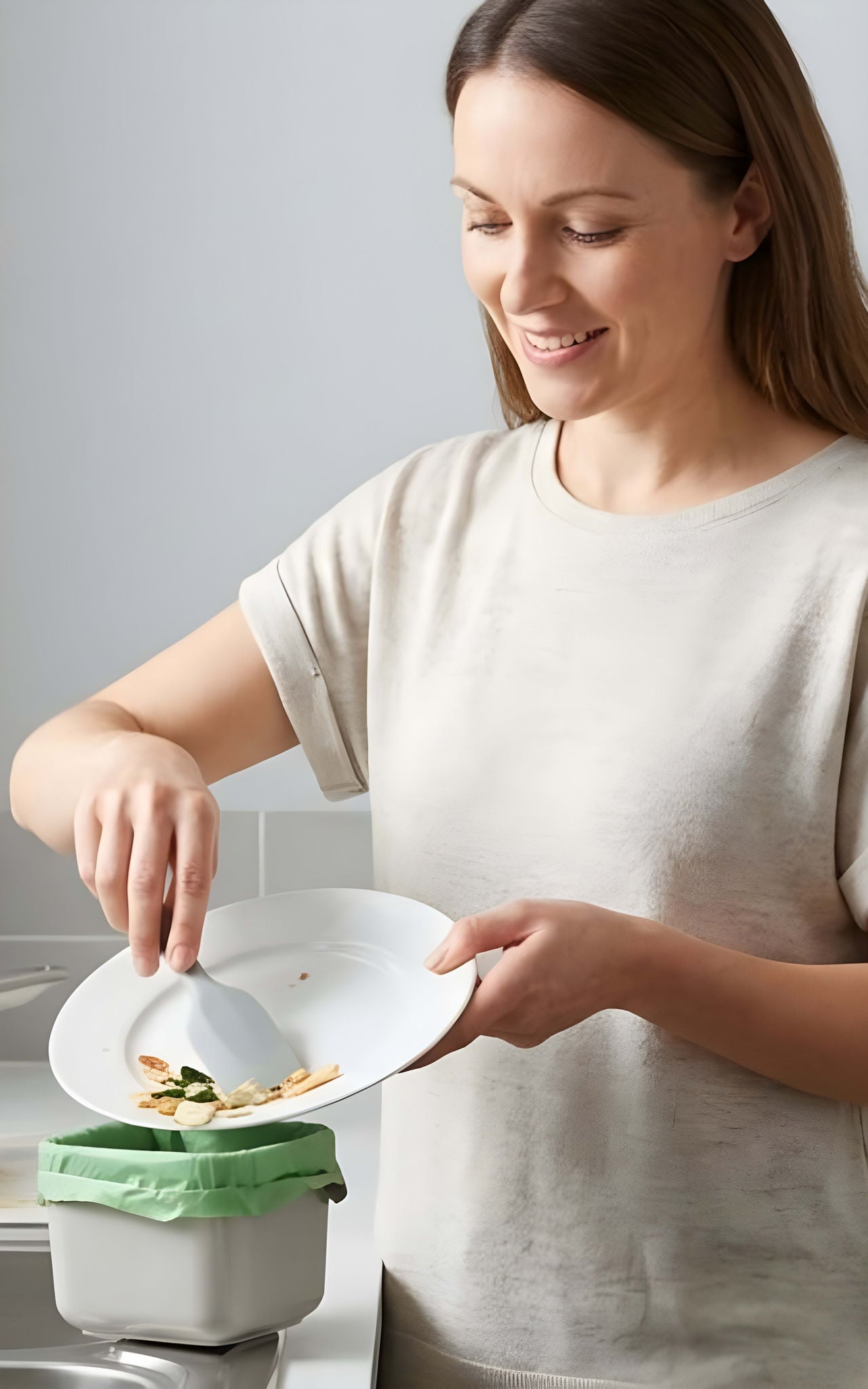
Modern family life runs on tight routines. Tea-time plates, porridge bowls, water bottles, lunch tubs. You want everything spotless without using more water or pushing up bills. Good news, thorough dishwasher cleaning does not need a bigger splash. It needs smarter design, patient programmes, and habits that support an efficient rinse every time.
How do dishwashers achieve thorough dishwasher cleaning with less water?
Dishwashers work as closed systems. Water enters once, flows through a filter, then recirculates at pressure through the spray arm network. Precise jets hit surfaces from multiple angles, lift soil, and carry it back to the filter for another pass. Longer contact time, stable heat, and the right detergent chemistry do the heavy lifting, not extra litres.
Modern machines also use sensors to read soil levels and adjust water volume and temperature. The result is targeted cleaning with tight control over resources, ideal for water saving and reliable results.
Does a longer eco programme use more water?
Not in modern machines. Eco cycles run at lower temperatures and extend wash time, which reduces energy demand while keeping water use low. Time, flow patterns, and detergent action combine to shift tough soils without extra fill.
Energy Saving Trust guidance shows eco settings reduce overall energy and resource use versus high-temperature quick cycles, which trade time for heat and sometimes add water to speed results. A longer eco run suits most daily loads and supports steady bills. Source: Energy Saving Trust.
What habits deliver an efficient rinse and reliable results at home?
A few small changes lift performance without extra water.
• Scrape, do not pre-rinse under the tap
• Fill the racks fully, leave space for spray to pass
• Face plates and bowls toward the spray arms
• Use quality detergent, set rinse aid and salt to local water hardness
• Pick Eco or Auto for everyday loads
Waterwise notes that a running tap uses around 6 litres per minute, so pre-rinsing wastes water quickly. Scraping beats rinsing for water saving. Source: Waterwise.
Do spray arm designs make a difference?
Yes. Spray arm placement, hole size, and rotation patterns decide how water reaches every surface. Multi-level arms send jets above and below baskets. Variable angles reach corners and the backs of pans. When arms run freely and holes stay clear, pressure remains even and coverage improves.
Targeted zones add another layer. Directing extra spray to one area lifts baked-on food without soaking the whole cavity. That means thorough results where you need them, with controlled water use.
What is PowerIntense and how does it help with stubborn pans?
PowerIntense is Beko’s targeted wash zone for tough items. It directs concentrated spray to a specific area for high-intensity cleaning, so trays, casserole dishes, and pans get focused attention while the rest of the load receives a standard wash. The approach supports water saving because the machine does not flood the whole tub to reach a few stubborn spots. It delivers reliable results on the items that take the most effort.
Pair PowerIntense with a full load and an eco or auto programme for everyday dishes, and the machine handles both needs in one run.
Should plates be rinsed before loading for an efficient rinse?
Skip the pre-rinse. Scrape solids into the food caddy or bin, then load. Modern detergents need some soil to work effectively, and sensors read that soil level to set the right cycle. Taps add litres without improving outcomes.
Try this simple routine: - Scrape plates, no running water - Place pans near the targeted zone or strongest spray arm reach - Angle cutlery handles down in the basket, mix spoons and forks to avoid nesting - Keep large items away from the path of spray arms
This supports efficient rinse action and keeps water use tight.
How should a dishwasher be loaded for thorough cleaning with less water?
Good loading improves flow, so jets reach every surface.
• Bottom rack for plates and large pans, all facing the centre
• Top rack for bowls, cups, and plastics marked dishwasher safe
• Leave clearance above the spray arm, spin it by hand to check before starting
• Do not stack bowls or overlap plates
• Use the fold-down tines to separate trays and baking sheets
Even spacing prevents shadowing, which is when one item blocks another from the spray. Better coverage equals fewer re-washes.
What maintenance keeps water saving performance on track?
Small, regular checks protect pressure and coverage.
• Rinse the filter weekly, remove trapped seeds and labels
• Wipe the door seal and the base of the tub to stop residue build-up
• Remove spray arms monthly, clear any blocked holes with a toothpick
• Top up salt and rinse aid, match settings to local hardness
• Keep detergent dry and fresh, store pods in a sealed tub
These steps preserve flow rate and temperature stability, both essential for efficient rinse action.
How does Beko support efficient rinse and reliable results without higher bills?
Beko dishwashers focus water where it works hardest. The PowerIntense zone lifts stuck-on food with targeted pressure, so heavy items receive extra attention without raising water across the whole cavity. SaveWater technology supports water saving by rethinking how each cycle uses and conserves water, helping reduce waste by up to 7.8 litres per cycle.
Design also matters. Thoughtful spray arm geometry, sensor-led programmes, and thorough testing support dependable results over years of daily use. Beko builds for reliability across the full range, offering smart shoppers confidence at a sensible price.
Quick checklist for lower bills and spotless results
• Choose Eco or Auto for daily loads
• Run full loads, avoid half-empty cycles
• Scrape, do not pre-rinse under the tap
• Place tough pans in the PowerIntense zone
• Maintain filter, salt, rinse aid, and spray arms
Clean plates, less water, less effort. That is a Beko state of mind for busy homes.