

How to Prevent Mould in a Washing Machine
A damp washing machine is a breeding ground for mould. That black ring around the door seal and the musty smell clinging to clean clothes are early signs that something is growing inside your appliance. Preventing it comes down to three practical habits: airflow, regular cleaning, and the right detergent use.
Key takeaways:
Leaving the door ajar after every cycle is one of the easiest steps to prevent mould
A monthly hot maintenance wash at 60°C or above keeps detergent residue and bacteria in check
The door seal and detergent drawer need attention more often than most people realise
Using the correct detergent dose reduces the residue that feeds mould growth
Why Does Mould Grow in Washing Machines?
Mould grows in washing machines because the drum stays warm and damp after a cycle ends. Residual moisture, detergent build-up, and a lack of airflow create the right conditions for mould spores to settle and multiply.
Mould is a fungus that spreads through airborne spores. It takes hold anywhere moisture collects, and air cannot circulate, which is exactly what happens inside a sealed appliance drum. When a washing machine door stays closed after a cycle, humidity is locked inside the drum, the rubber seal, and the detergent drawer. Over time, soap residue feeds mould growth, producing that grey-black stain and musty odour familiar to many South African households.
Washing machines designed with dedicated drum-clean programmes, such as those in the Beko range, help reduce residual moisture as part of their built-in cycle options.
Should You Leave the Door Open After Washing?
Yes. Leaving the door ajar after every wash cycle is one of the most effective ways to prevent mould. Airflow dries out the drum and the rubber seal before mould spores can settle.
Even cracking the door a few centimetres makes a measurable difference. In compact laundry rooms, placing a small fan nearby can speed up drying time between loads.
How Do You Stop Washer Smells?
Washing machine smells come from mould and bacteria living in the drum, the door seal, and the detergent drawer. Removing the smell means removing the conditions that allow it to develop.
Follow these steps to keep your machine smelling clean:
Run an empty cycle at 60°C or 90°C with no laundry or detergent, once a month
Add 250 ml of white vinegar to the drum before a maintenance wash for extra odour control
Wipe the door seal dry after every use
Remove and rinse the detergent drawer every week
Always leave the door open between washes
How Often Should You Clean the Drum?
Clean the drum at least once a month. If you mostly wash at 30°C or 40°C, or you run many loads each week, increase that to every two to three weeks.
Drum cleaning is a standard part of washing machine maintenance. Cold-water cycles, while energy-efficient, do not reach temperatures high enough to break down detergent residue or kill odour-causing bacteria. Running a hot wash at 60°C or 90°C dissolves built-up soap scum, kills bacteria, and flushes out trapped debris. The result is a fresher drum, cleaner laundry, and an appliance that lasts longer.
Does Your Detergent Dose Affect Mould?
Yes. Using too much detergent is one of the leading causes of mould build-up inside a washing machine. Excess product leaves behind a residue that feeds mould and bacteria over time.
Detergent dosing is an often-overlooked factor in washing machine hygiene. Many people assume more detergent means cleaner clothes, but modern machines are built around precise, low-dose formulas. When too much detergent is used, the rinse cycle cannot flush it all away.
The leftover residue coats the inside of the drum and the rubber seal, creating a food source for mould. Using the dose recommended on the detergent packaging and choosing a high-efficiency (HE) formula where required keeps residue at a minimum and reduces mould risk noticeably.
What Parts of the Machine Need Cleaning?
The drum, the door seal, and the detergent drawer all need regular attention. These three areas accumulate the most moisture and residue.
Part | Cleaning Method | Frequency |
Drum | Hot maintenance cycle at 60°C or above | Monthly |
Door seal | Wipe with a damp cloth, then dry thoroughly | After every wash |
Detergent drawer | Remove and rinse under warm water | Weekly |
Pump filter | Check and clear lint or debris | Every 1 to 3 months |
Door glass | Wipe with a damp cloth | As needed |
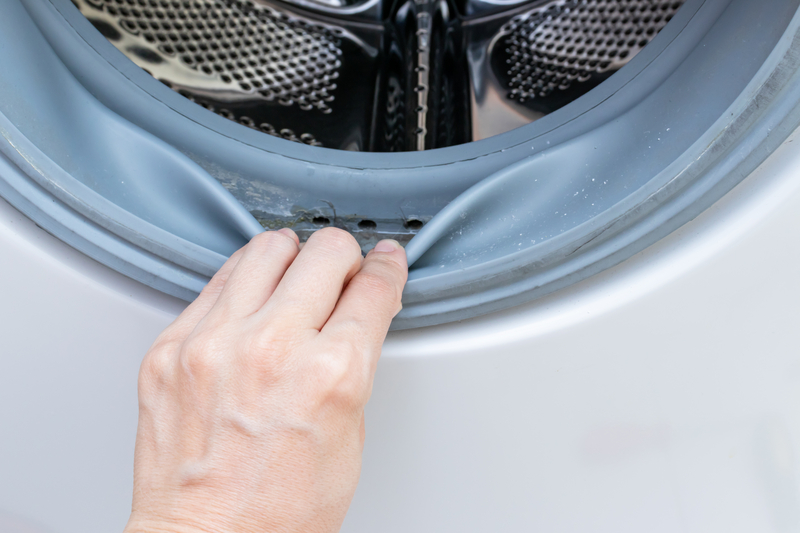
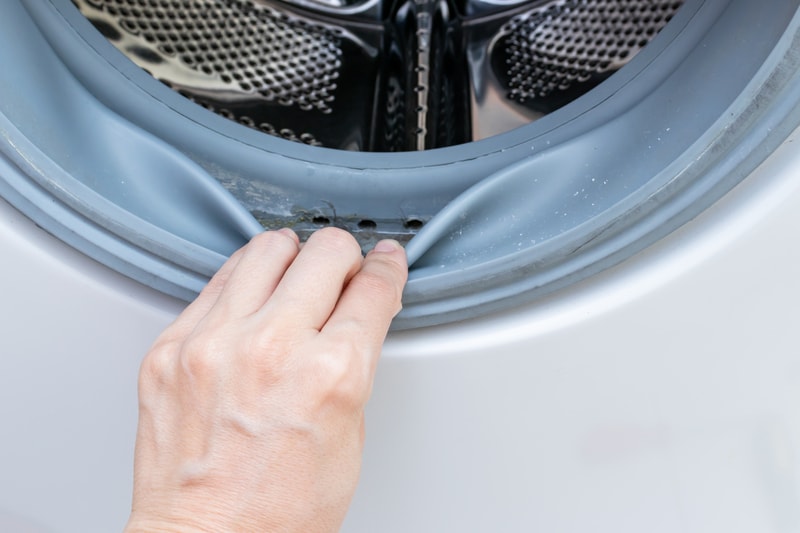
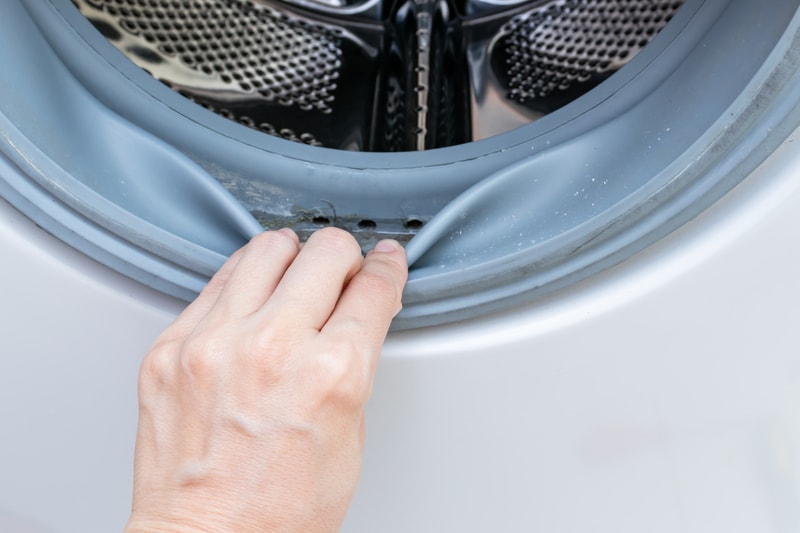
For front-loaders in particular, fold the rubber seal back and clean inside the groove. That inner channel is where water and residue collect most, and where mould typically starts.
FAQ
Q: Why does my machine still smell after cleaning it?
A: If the smell persists, mould is likely still present in the door seal groove or the detergent drawer. Pull the seal back and check for dark spots. Clean the area with a diluted bleach solution, then dry it completely before closing the door.
Q: Can mould in a washing machine affect my health?
A: Yes. Mould spores can transfer onto clothing and be inhaled during wear. People with allergies or respiratory sensitivities are most at risk. Keeping the drum clean reduces spore levels and protects your family's health.
Q: Are front-loaders more prone to mould than top-loaders?
A: Front-loaders are more prone to mould because the horizontal drum traps moisture around the door seal. Top-loaders benefit from better natural airflow.
Both types benefit from the same cleaning and ventilation habits.
Q: How do I clean the rubber seal on my washing machine?
A: Wipe the seal with a cloth dampened in a mild bleach solution or white vinegar. Fold the seal back to clean inside the groove where water pools. Dry it thoroughly before you close the door.
Q: Does washing at low temperatures lead to more mould?
A: Cold cycles do not break down detergent residue or kill bacteria as effectively as hot cycles. Running a monthly hot maintenance wash offsets the mould risk that builds up from frequent cold-water washing.
Keep Your Machine Fresh
Preventing mould starts with the same two habits mentioned at the top: open the door and keep a cleaning schedule. Wipe down the seal, clear out the detergent drawer, and run a hot cycle each month. These steps take a few minutes and prevent the kind of build-up that causes persistent odours and shortens appliance life.
Across the category, washing machine manufacturers now offer models with built-in maintenance features to support these habits. Beko washing machines include drum-clean programmes as part of their standard cycle options. Checking your machine's user guide for the recommended cleaning cycle is a practical first step toward a mould-free laundry routine.