

Winter cooking: why oven stability matters
See how oven stability elevates winter cooking. Get richer stews and soups with steady heat, plus practical tips and Beko oven guidance.
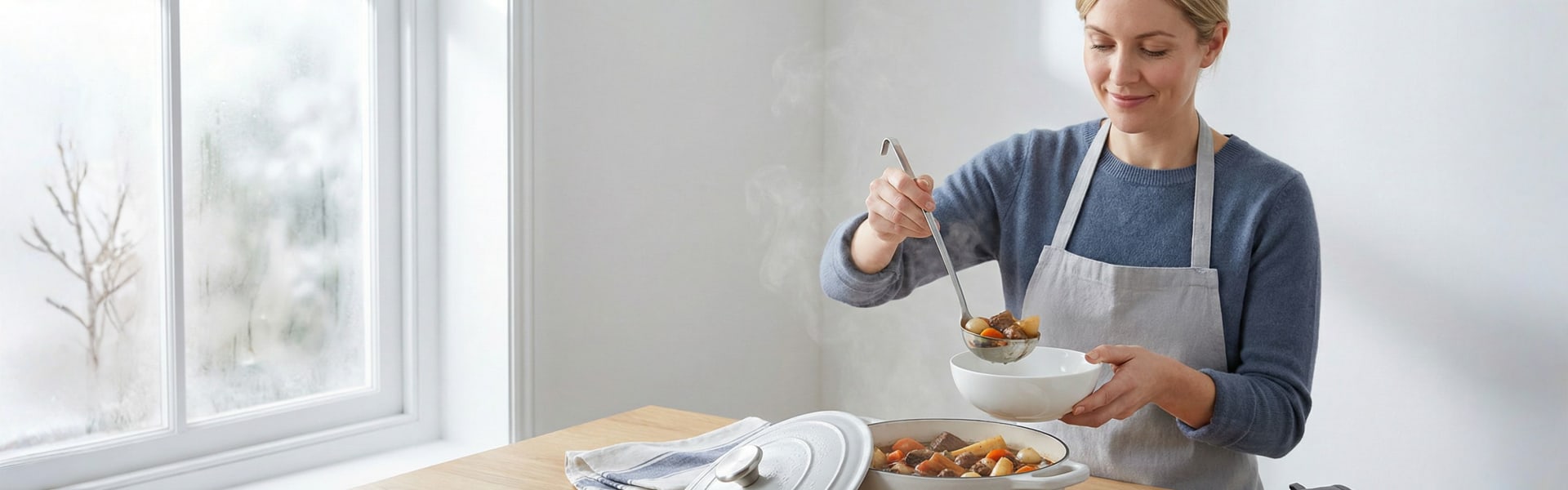
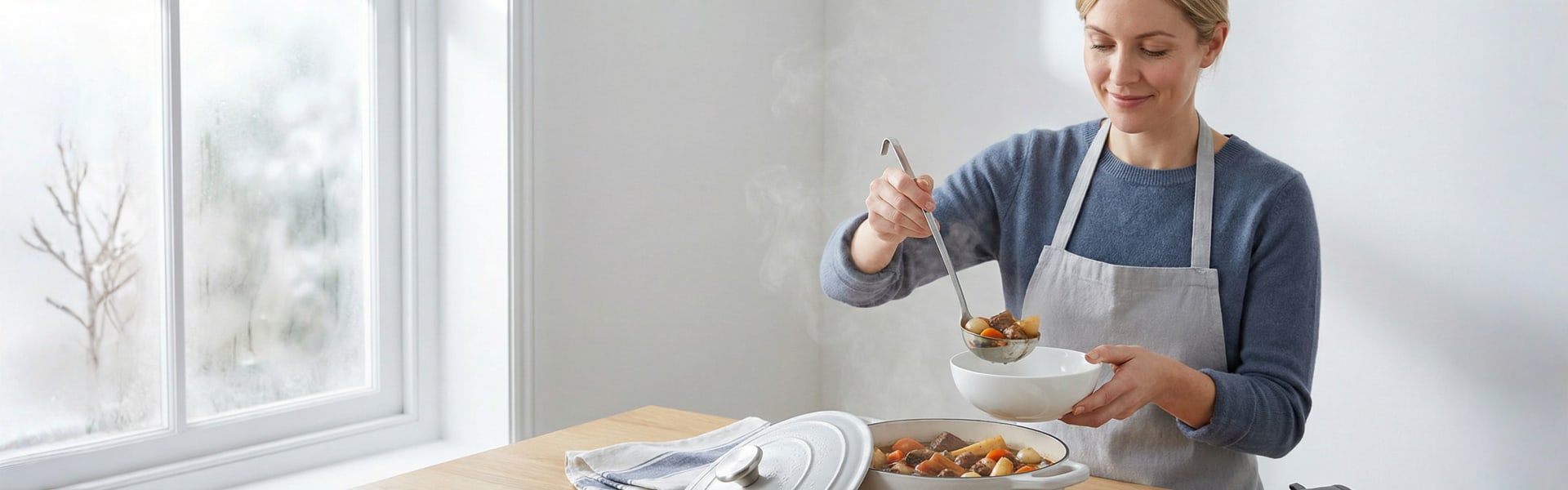
Warm bowls. Fogged windows. The quiet comfort that comes when a pot simmers away while you settle in. Winter cooking is about steady heat and patience, which is why soups, stews and casseroles taste better when your oven holds its temperature without fuss. Here is a clear, practical guide to oven stability, and how to use it for richer flavour and softer textures all season.
What do we mean by oven stability?
Oven stability is how consistently your oven holds the temperature you set. Instead of swings that rush up and drop down, a stable oven keeps heat even across the whole cavity and across time. For winter stews, that means a calm, gentle simmer that does not scorch edges or leave the middle lagging behind.
Why this matters: - Predictable results. You know when dinner will be ready. - Even texture. No dry top and undercooked centre. - Less stirring. You keep the door shut, so heat stays stable and energy is not wasted.
How does temperature accuracy affect soups, stews and casseroles?
Soups and stews need time for fibres to soften and flavours to mingle. If the heat spikes, the liquid boils hard, meat tightens, and starch can catch at the sides. If the heat drops too low, you sit in a grey zone where nothing breaks down, so the dish tastes thin and the meat stays tough.
What steady heat gives you: - Tender meat. A gentle, even simmer helps connective tissue soften into a silky sauce. BBC Good Food notes that low and slow braising suits tougher cuts, giving better texture and depth of flavour [Source: BBC Good Food]. - Balanced reduction. Liquids reduce in a controlled way, so you get body without a sticky base. - Clear flavours. Spices and aromatics infuse without turning bitter from hot spots.
Is the hob better, or the oven, for a slow winter simmer?
Both work, but the oven often wins for hands-off winter cooking. On the hob, heat comes from below, which leads to more stirring and more risk of sticking. In the oven, heat wraps around the pot so the whole dish cooks evenly. That is helpful for heavier casseroles and bean stews.
Try this setup: - Use a heavy, lidded casserole dish. - Set the oven to a low, steady temperature and leave space around the pot. - Bring the pot to a gentle simmer on the hob first, then move it to the oven to maintain the simmer with less effort.
How does oven stability improve winter cooking day to day?
Think of a beef stew you plan for a Sunday. With steady heat, you can put it in before a walk and return to melting texture rather than a furious boil. For a lentil soup, you avoid breaking the lentils through hard bubbling. For a chicken casserole, skin stays intact and the sauce thickens smoothly.
Quick wins: - Keep the door closed. Every open door drops heat and extends the cook time. - Aim for a gentle simmer. Bubbles should rise lazily at the edges, not roll in the middle. - Cook in the middle of the oven, where airflow is most even.
What oven features help keep heat steady?
Even heat and precise control make winter cooking simpler. Fan-assisted cooking helps distribute hot air across the cavity for consistent results. Beko ovens are designed to support this style of cooking. Models with AeroPerfect technology are built to deliver more even air circulation and reduce temperature fluctuation for reliable, even results across the tray. That helps stews set into a steady simmer and casseroles cook through without dry edges.
Small touches also help you stay in control: - Clear, accurate temperature settings for repeatable results. - Interior lighting that lets you check progress without opening the door.
Beko focuses on dependable performance at a price that makes sense, so you cook with confidence through the cold months.
How do I set up for steady low-and-slow winter cooking?
A simple checklist: - Preheat fully. Give the oven time to settle at the set temperature before food goes in. - Use the right dish. A heavy pot holds heat and smooths minor swings. - Add enough liquid. Cover ingredients by a few centimetres, then adjust at the halfway point if needed. - Keep a lid on. Lids reduce evaporation so you avoid catching and keep a gentle simmer. - Leave space. Do not crowd the oven, airflow keeps heat even.
How can I tell if my oven runs hot or cold?
You want to trust your settings. A quick home check helps. - Use an oven thermometer. Place it in the centre, preheat for 20 minutes, then note the reading. Repeat at a second temperature. - Do the toast test. Lay slices of bread across a tray and bake for a few minutes. Uneven browning shows hot and cool zones so you can adjust shelf position. - Adjust by habit. If your tests show it runs hot, lower the set temperature a little or shorten the time. If it runs cool, do the opposite.
If you prefer built-in consistency, choose an oven known for even heat. Beko designs focus on stability so your settings match your results.
Does a stable oven save energy in winter?
A steady oven avoids the waste that comes with frequent door opening and big heat swings. You get fewer restarts and less overcooking. Batch cooking also helps, because you use the heat you have already paid for across several meals. Energy Saving Trust guidance supports habits like cooking multiple dishes and avoiding opening the oven door too often to keep energy use down [Source: Energy Saving Trust].
Practical steps: - Cook more than one dish while the oven is on. Soup for tonight, a stew for midweek. - Reheat smaller portions in a microwave when suitable. It uses less energy for reheats.
What dishes benefit most from stable, even heat?
A few winter heroes: - Beef and root veg stew. Low shelf, lidded pot, long cook. Finish uncovered for a short time if you want a thicker sauce. - Chicken and barley casserole. Gentle heat keeps the meat tender and the grains plump. - Braised beans with herbs. Even heat prevents splitting and keeps skins intact. - Roasted tomato soup. Steady roasting brings sweetness without burning, then blend with stock for a smooth bowl.
What if I prefer a slow cooker?
Slow cookers excel at low temperatures and set-and-forget ease. The oven gives you more control over browning and reduction. Use the tool that fits your day. If you want one pot from hob to oven to table, a stable oven keeps things calm and consistent.
Winter cooking rewards patience and steady heat. With even temperatures and reliable control, soups and stews take care of themselves while you take care of everything else. Beko helps keep that warmth ticking along, so home feels calm, fed and ready for the season.