





7 Winter Mistakes That Raise Energy Bills

Cold evenings. Lamps on. Heating humming. Winter routines feel comforting, yet a few small winter mistakes push bills higher than they need to be. With steady habits and reliable kit, energy saving becomes a simple part of home life. Here is how to keep warmth in and waste out.
Quick energy saving wins for winter
1. Overheating the whole home
Turning up the thermostat in every room all day drives costs. Heat spaces you use, not the whole house. A 1°C drop often cuts heating energy by around 5 to 10 percent, without losing comfort when you layer up and use throws in the evening (Energy.gov.au).
• Set living areas to around 19 to 20°C. Keep bedrooms a touch cooler.
• Use timed schedules so warmth matches real routines, morning and early evening.
2. Blocking radiators and skipping simple checks
Sofas pushed against radiators trap heat. Long curtains draped over panels waste warmth before it reaches the room. Bleeding radiators helps hot water flow and smooths out cold spots at the top. Keep at least a hand’s width clear in front of each radiator and check valves are open in rooms you use.
3. Leaving draughts to whistle through
Warm air slips out through gaps around doors, windows and letterboxes. A few low-cost seals reduce that leak without big renovations, which supports energy saving through the season (Energy.gov.au).
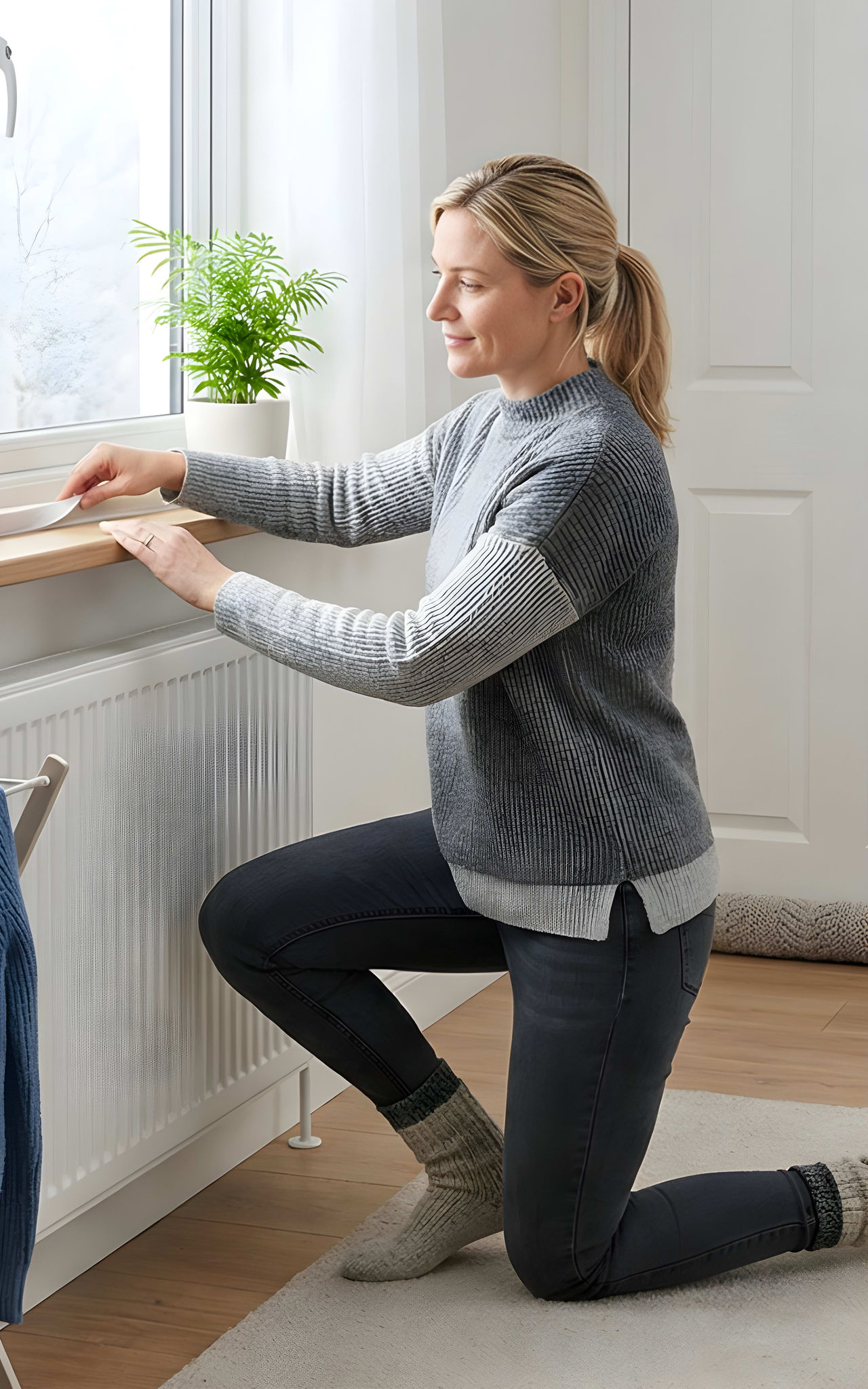
• Fit self-adhesive draught strips around window frames.
• Use a draught excluder along the floor. Close internal doors to keep heat where you are.
4. Laundry that wastes time and energy
Small loads, hot washes and long tumble sessions drain budgets. Wash full loads at lower temperatures where the fabric care label allows. Spin well before drying to remove moisture faster. For steady savings over years, look for appliances built for efficiency and reliability. Beko washing machines with EnergySpin use 15 percent less energy compared to Beko washing machines without EnergySpin (based on Australia & NZ Test Standards), while still delivering a thorough clean. A durable Prosmart Inverter Motor with a 10 year parts warranty gives long-term confidence without fuss.
5. Standing by on standby and wrong cold‑store settings
Standby still pulls power across TVs, consoles and set-top boxes. Switch off at the socket for anything that does not need constant power, like chargers. In the kitchen, the right temperature protects food and reduces waste. Keep the fridge at 5°C or below and the freezer at −18°C for safe storage and steady efficiency (https://www.foodstandards.gov.au/).
6. Washing up the hard way
Handwashing with hot running water adds up. A full dishwasher on Eco mode uses less water and energy in most homes, especially in winter when hot water production lifts bills (energy.gov.au). Aquaintense delivers up to 5 times better cleaning performance, so plates come out clean the first time and rewashing does not steal extra energy.
7. Drying clothes on radiators
Wet clothes draped over radiators slow down heating and push moisture into the air, which leaves rooms feeling cooler and risks condensation. Use a folding airer in a warm, ventilated room. Position it near, not on, a heat source so air circulates. For faster results, choose a short tumble finish after a high spin, then finish on the airer. Avoid covering thermostatic radiator valves, so they sense room temperature accurately.
How to avoid these winter mistakes, the simple way
• Match heat to habits
Set a weekday and weekend programme that mirrors wake-up, home-time and bedtime. Review once the school term or work routine changes.
• Move furniture with purpose
Give every radiator breathing space. Lift curtains onto window sills, not over the panels.
• Seal the easy gaps
Focus on front doors, patio sliders and windows. A 20-minute draught-proofing session pays off all winter.
• Make laundry work harder for you
Sort by fabric and fill the drum sensibly. Lower temperatures protect colours and use less energy. Choose a machine with proven efficiency to lock in savings year after year.
• Power down and set the cold right
Switch off at the socket in the evening. Check fridge and freezer settings during the weekly shop unload.
• Load the dishwasher well
Scrape plates, do not pre-rinse. Run Eco when full. Strong spray coverage reduces the need for another cycle.
• Dry clothes smartly
High spin, short tumble if needed, then air dry on a rack with a window cracked for moisture control.
Why reliable appliances help
Good habits carry you a long way. Appliances that support those habits take you further. Beko designs for assured performance, with features that help cut resource use day after day.
EnergySpin reduces consumption on laundry. AquaIntense brings efficiency and strong cleaning to dishwashing. Tested for long life, including Prosmart Inverter motors with a 10 Year parts warranty, Beko aims to remove worry and protect budgets over many winters.
Small shifts add up. Fewer winter mistakes, more energy saving, and a calmer home rhythm.
Beko keeps home life running warm and steady through the colder months.
Sources: energy.gov.au, foodstandards.gov.au