





8 Winter Laundry Tips We Use for Lower Energy Use

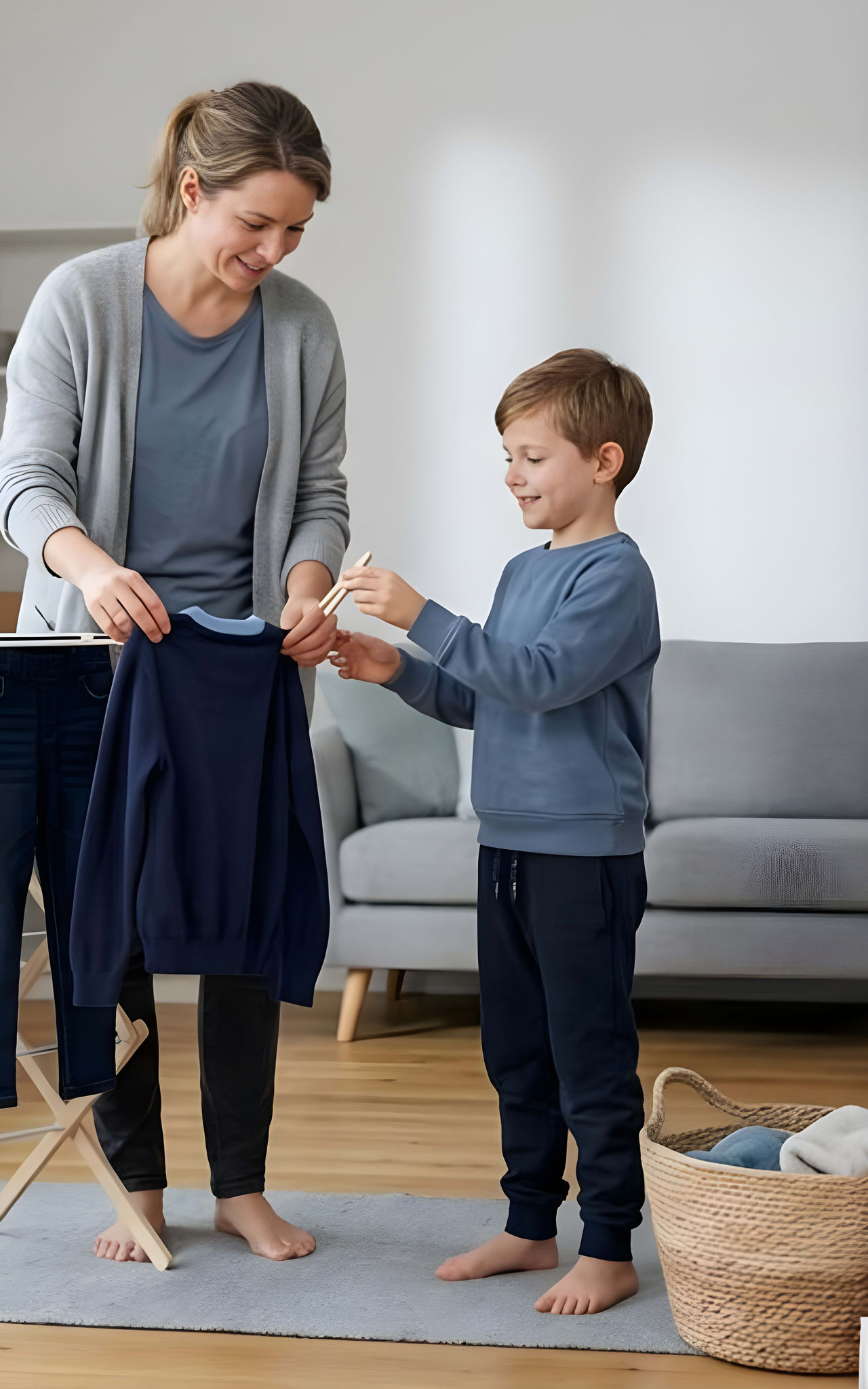
Winter mornings ask a lot of your laundry. School jumpers, thick socks, muddy kits, and less daylight for drying. With a few small shifts, winter laundry becomes calmer, cleaner, and kinder to your energy bills. Here is a checklist that keeps comfort high and costs steady, with reliable help from Beko where it matters.
Your winter laundry checklist for lower energy use
1. Switch to a cold wash for everyday loads
Most daily clothing comes up fresh at 20–30°C. Lower temperatures protect colours and fibres, and they cut the biggest slice of laundry energy use, water heating. Energy.gov.au advises washing at lower temperatures and running full loads to save energy.
- Use a detergent labelled for low temperatures.
- Pre-treat stains, so cold wash still gives great results.
- Reserve 40–60°C for towels, bedding, or hygiene needs.
2. Load smart for efficient laundry
Run the drum comfortably full, with room for clothes to move. Underfilling wastes water and energy, overfilling reduces clean results and lengthens drying time. Keep heavy items together so cycles can work efficiently.
- Aim for the drum about three quarters full.
- Zip, unroll, and untangle to speed up washing and drying.
- Wash bulky hoodies and towels separately from light tops.
3. Choose cycles with EnergySpin to cut usage
On Beko washing machines, EnergySpin is designed to reduce energy use by up to 15 percent while delivering thorough cleaning. It works by improving mechanical action during the wash, so you still get results at lower temperatures and shorter times. This is practical energy saving laundry that helps lower energy bills without extra effort.
- Select an eco or EnergySpin-enabled cycle when the load allows.
- Keep to cold wash for day‑to‑day clothing.
- Use a short refresh for lightly worn layers.
4. Pre-treat winter stains so you wash once
Mud, salt marks, and hot chocolate spills set in fast when radiators are on. Treating marks before the wash means you avoid repeat cycles. That saves water, time, and electricity.
- Blot, do not rub, to lift the stain.
- Rinse with cool water, then use a small amount of stain remover.
- Wash promptly on a cold wash to lock in the win.
5. Spin to remove moisture, then air dry
A higher spin extracts more water, which speeds up air drying in winter. You get faster results with no heater needed. For delicates or knitwear, pick a lower spin to protect the shape.
- Use a high spin for towels, jeans, and bedding.
- For wool and jumpers, use a gentle cycle and lower spin.
- Shake items out before hanging to reduce creases.
6. Dry indoors, smarter and faster
Indoor drying works well with airflow. A warm, ventilated room or a dehumidifier near a clothes airer helps moisture leave the air quickly. Space items out, the more air around fabric, the quicker they dry.
- Place the airer in a room you heat anyway, window slightly open.
- Rotate and flip items halfway through.
- Slip a dry microfibre towel into sleeves or legs for 30 minutes to wick out damp, then remove.
7. Keep your machine clean for efficient laundry
A cared‑for washer performs better, uses less energy, and smells fresher. Lint, detergent residue, and blocked filters can slow cycles or lead to repeats. Build a quick monthly routine.
- Wipe the door seal and clean the detergent drawer.
- Run a maintenance wash with an empty drum.
- Check and clear the pump filter, and descale if you live in a hard water area.
8. Plan a simple winter laundry routine
Routine beats rush. A weekly plan keeps loads full and drying space free. If you have a time‑of‑use tariff, set non‑urgent cycles for cheaper periods. Air knitwear between wears and wash less often to protect fibres. Beko appliances support steady routines with proven reliability, backed by a motor designed for long life and durability testing that puts them at the front of the market across Europe. That confidence makes winter laundry feel lighter.
Quick wins you can do today
• Move everyday clothing to a cold wash and keep loads full.
• Use a higher spin, then air dry with good airflow.
• Pick EnergySpin on your Beko washing machine for energy saving laundry that stays effective.
Why this works in winter
• Lower temperatures save energy because water heating is the biggest part of wash consumption, confirmed by Energy.gov.au
• Spinning well removes water without heat, so air drying needs less time.
• Clean waching machines and planned loads prevent rewashing, which protects your time and your budget.
A calmer laundry routine makes winter feel warmer. With thoughtful habits and dependable appliances from Beko, home stays comfortable and costs stay under control.